Scar Neutralization for Dark, Hyperpigmented Scars in Modesto, CA
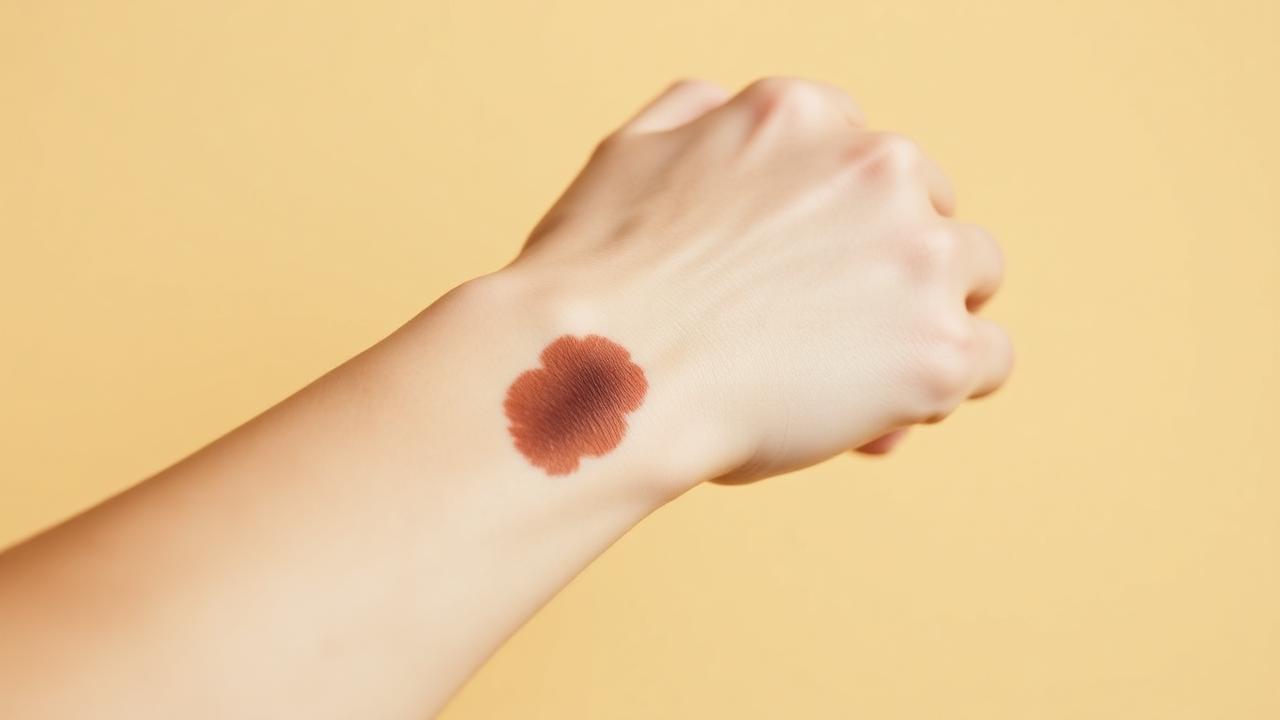
Some scars heal lighter than the surrounding skin, and some heal noticeably darker. Dark scars are called hyperpigmented scars, and treating them is different from treating a light or hypopigmented scar. At Ink Clinic in Modesto, CA, we offer scar neutralization — a newer paramedical tattooing technique designed specifically to soften the look of dark, hyperpigmented scars using white pigment.
Why some scars turn dark (hyperpigmentation)
When skin is injured, the healing process can leave behind extra pigment in the area. This is called post-inflammatory hyperpigmentation, and it is what makes the scar appear darker than the surrounding skin.
There are two common reasons a scar stays dark. The first is trapped blood — small amounts of blood from the original injury can stay inside the healing tissue and oxidize, leaving a darker brown or rust-toned mark. The second is melanocytes — the cells in your skin that produce pigment. After trauma, melanocytes in the area can become overactive and continue producing extra pigment for months or even years.
Skin tone, sun exposure, the depth of the original injury, inflammation during healing, and genetics all influence how much darker a scar becomes and how long it stays that way.
Why we wait until the scar is at least one year old
Hyperpigmented scars need to be fully mature before they can be neutralized. We treat dark scars only after they are at least one year old.
During the first year, the body is still actively remodeling the tissue and the pigment can continue to shift on its own. Working too early can interfere with that natural process and produce uneven results. Waiting a full year allows the scar's color to stabilize so the neutralization plan is built on a predictable base.
How scar neutralization works — using white pigment
Neutralization is different from camouflage. Instead of matching your skin tone, we use a specialized white pigment to counterbalance the darker tones inside the scar. White acts as an optical neutralizer — it visually softens and lifts the appearance of the dark area so the scar reads closer to the surrounding skin.
The technique is staged across multiple sessions with healing time in between. Each pass gradually lifts the visual weight of the dark pigment until the scar appears more balanced.
A newer technique — what changed
For a long time, dark scars were considered untreatable with paramedical tattooing. Traditional scar camouflage relies on matching skin-tone pigment, which only works on lighter (hypopigmented) scars. Adding skin-tone pigment over a dark scar can actually make it look worse.
Scar neutralization is a newer approach developed specifically for hyperpigmented scars. The shift from camouflage to neutralization — and the use of white pigment instead of skin-tone pigment — is what makes treating dark scars possible today.
Is scar neutralization right for you?
Candidates have a healed, fully matured (at least one year old) hyperpigmented scar and realistic expectations. Neutralization softens the appearance of a dark scar — it does not promise full erasure.
A private consultation reviews your scar's age, depth, color, and your skin's history so we can build a gradual, customized plan.
Related services
Frequently Asked Questions
What is a hyperpigmented scar?
A hyperpigmented scar is a scar that healed darker than the surrounding skin, usually due to trapped oxidized blood, overactive melanocytes, or post-inflammatory pigment changes.
How old does the scar need to be?
At least one year old. Dark scars need to fully mature so the color is stable before neutralization begins.
Why is white pigment used to treat dark scars?
White pigment optically neutralizes the darker tones in the scar, softening its appearance so it blends more naturally with the surrounding skin.
Is this the same as scar camouflage?
No. Camouflage uses skin-tone pigment for light (hypopigmented) scars. Neutralization uses white pigment for dark (hyperpigmented) scars — it is a different technique designed for a different problem.
Why couldn't dark scars be treated before?
Older paramedical tattooing only used skin-tone pigment, which doesn't correct dark scars and can make them more visible. Neutralization is a newer technique that finally gives a safe option for hyperpigmented scars.
How many sessions will I need?
Most clients need multiple sessions spaced several weeks apart. The exact plan is confirmed during your consultation based on your scar's color, size, and depth.
Related articles
What Is Scar Camouflage?
An introduction to scar camouflage — a customized paramedical tattooing approach that supports a more balanced appearance for healed scars.
Read article Scar CamouflageHow Many Scar Camouflage Sessions Are Needed?
Scar camouflage is a layered process. Here's why most clients need several sessions and what influences the timeline.
Read article